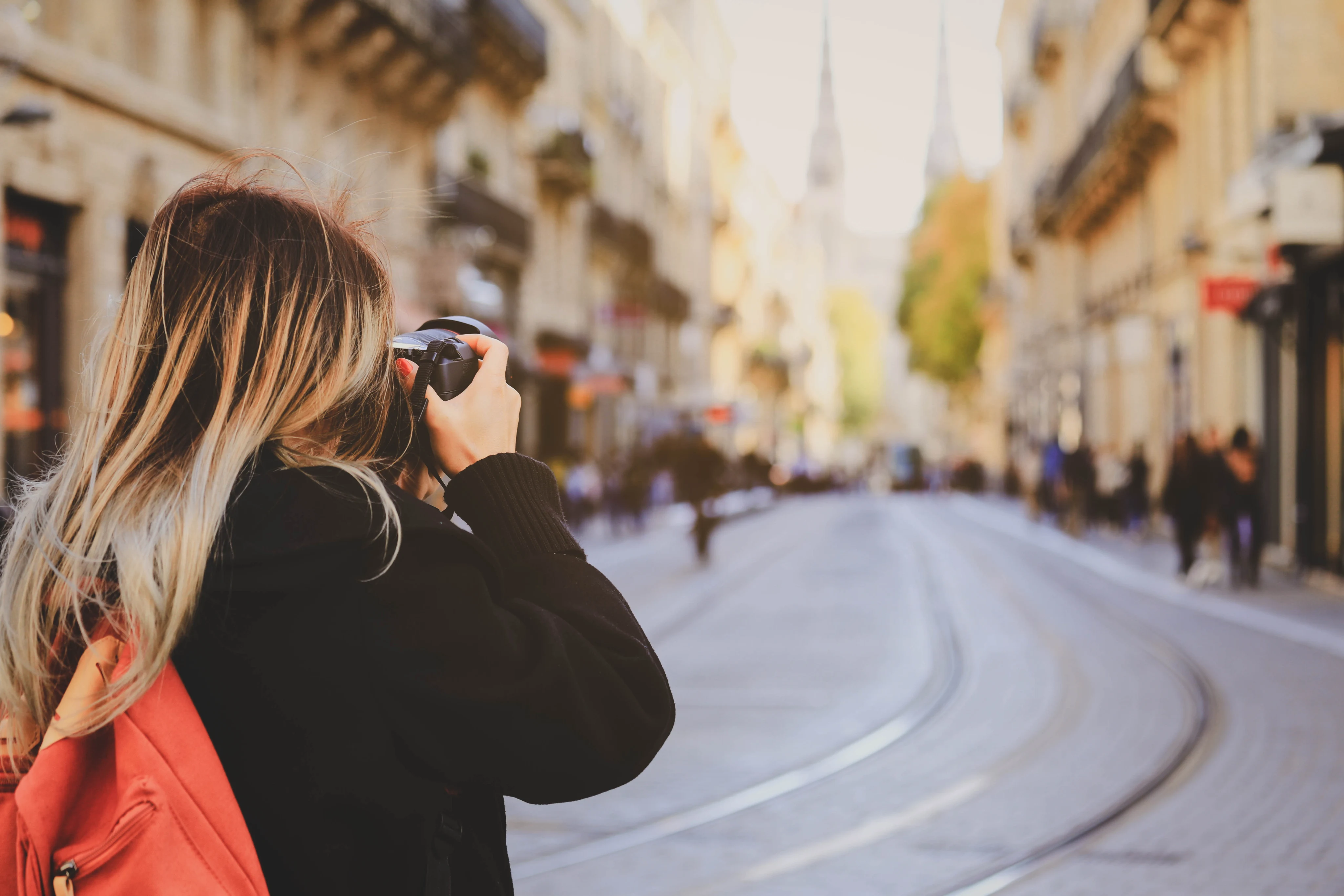
Venice has a population of about 250,000 people, roughly a third of whom live in the historic center. It receives around 20 million visitors a year. Do that math and you get a city where tourists outnumber residents 80 to 1 on a busy summer day, where locals have largely stopped going to the places that make the city worth living in, and where city officials have begun charging day-trippers an entry fee in an attempt to manage what has, by most reasonable measures, become an unmanageable situation. Venice is the extreme version, but the phenomenon is everywhere. The second city strategy doesn't ask you to give up on travel or feel guilty for wanting to go somewhere beautiful. It asks whether the place you've chosen is actually the best version of the experience you're after, or whether you've defaulted to the famous one because the famous one is easy to find.
How the Pattern Works
Every iconic destination has a lesser-known counterpart that delivers most of the same experience with a fraction of the infrastructure strain. The secondaries aren't second-rate. They're just less marketed, which in the travel economy translates directly into less crowded, cheaper, and often more authentic destinations.
Instead of Barcelona, try Valencia. You get Mediterranean architecture, genuine beach access, one of Europe's best food scenes (paella is actually from here), and a city that's cosmopolitan without being a tourist management exercise. Flights and hotels run noticeably cheaper. You won't be competing for a seat at La Boqueria at 10 a.m. with three hundred other visitors who all read the same guidebook.
Instead of Florence, try Bologna. Art, architecture, food markets, a living university culture, medieval towers, and significantly fewer people photographing things in your way. Bologna has a reputation among Italians as one of the country's best cities to actually live in, which is usually the highest possible endorsement a place can receive.
Instead of the Amalfi Coast, try the Gargano Peninsula. Instead of Machu Picchu alone, plan an itinerary that includes Choquequirao, which requires a two-day hike to reach and currently receives about 1% of Machu Picchu's daily visitor count. You'll see a site that's comparable in scale and arguably more dramatic in setting, in something close to silence.
Timing Matters as Much as Location
Going to the famous place isn't inherently the problem. Going at the same time as everyone else typically is.
The summer high season for Mediterranean Europe runs roughly June through August. If you can go in May or September, you encounter the same cities, the same light, similar temperatures, and meaningfully smaller crowds. May in Lisbon is one of the finest travel experiences available on the continent. August in Lisbon is a different proposition.
Japan's cherry blossom window is one of the most extraordinary things you can plan a trip around. It's also one of the most crowded. The autumn foliage season, which runs from late October through November depending on latitude, rivals the spring display and draws considerably fewer visitors to most locations. The philosophical argument for going in spring is roughly "this is uniquely Japanese." The practical argument for going in autumn is "you'll be able to see the trees."
Traveling in the shoulder or off-season isn't about self-denial. In most places, the weather is fine, the cultural calendar is active, and prices drop 20 to 40 percent across flights and accommodation. In cities rather than beach resorts, winter is often when residents actually use the spaces that tourists monopolize in summer. Visiting a city's restaurants and markets when locals are there rather than tourists is a fundamentally different, usually better, experience.
The Tourist Tax Problem
Overtourism concentrates money in ways that don't always benefit the communities receiving visitors. When everyone goes to the same six restaurants, the same two markets, and the same tour operator, local money flows through a narrow channel. Small businesses three streets off the main route, less photographed neighborhoods, locally owned accommodation: these are where the economics of tourism do the most good, and they're systematically undervisited because they don't appear at the top of search results.
This isn't an argument for heroic anti-tourist tourism or a demand that you seek out authenticity as a hobby. It's just a practical note that the places slightly off the main circuit often offer better food, more space, and more interesting conversations for less money, while distributing the economic benefit of your visit more widely.
The second city strategy, applied consistently, is probably the best approach to traveling well in the current landscape. It doesn't require more virtue than going somewhere iconic. It requires a little more research and a willingness to say "I want the thing the first city is famous for, not the first city itself" and then find where that thing actually lives.